
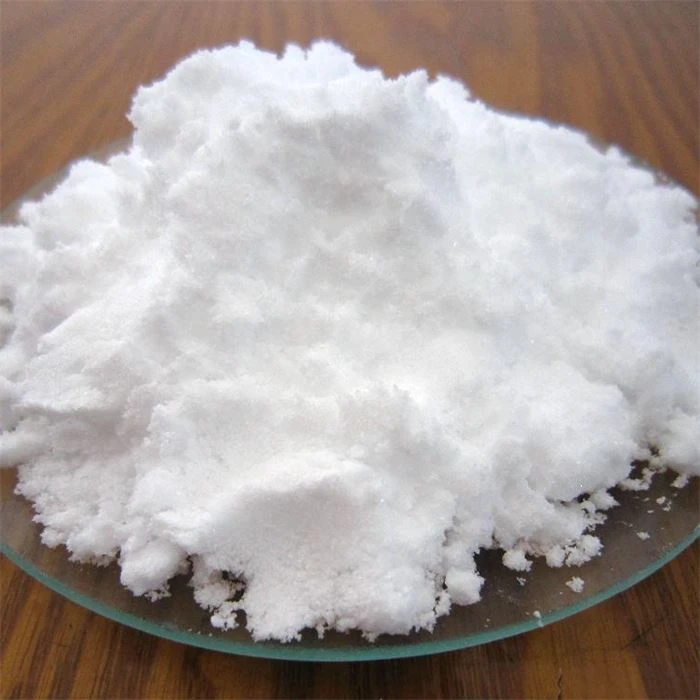
Sodium hydroxide (NaOH), a highly corrosive and hygroscopic chemical, demands specialized packaging to ensure safety, preserve purity, and comply with global regulations. Its packaging characteristics are engineered to address its reactive nature-specifically, its ability to dissolve organic materials, react violently with water, and absorb moisture and carbon dioxide from the air. Below is a detailed overview of the key features defining sodium hydroxide packaging:
Material Selection: Resistance to Corrosion and Chemical Reaction
The primary requirement for sodium hydroxide packaging is resistance to its strong alkaline properties. For solid sodium hydroxide (flakes, pellets, or beads), high-density polyethylene (HDPE) is the industry standard. HDPE's inertness to strong bases prevents degradation, ensuring the container remains intact even with prolonged contact. Metal containers are strictly avoided, as sodium hydroxide reacts with most metals (e.g., aluminum, zinc) to produce flammable hydrogen gas, posing explosion risks.
For liquid sodium hydroxide (caustic soda solution), packaging often uses HDPE or cross-linked polyethylene (XLPE) drums, which withstand the solution's weight and prevent leakage. Flexible intermediate bulk containers (FIBCs) for solid forms are also made from HDPE fabric with a moisture-resistant liner, preventing absorption of atmospheric water that could cause caking or purity loss.
Sealing and Moisture Barrier: Preserving Purity and Preventing Caking
Sodium hydroxide's hygroscopic nature-its tendency to absorb water vapor-makes airtight sealing critical. Packaging features airtight closures such as screw caps with rubber gaskets or heat-sealed liners to block moisture ingress. This is particularly vital for high-purity grades (e.g., 99% NaOH), where even minor moisture absorption can reduce effectiveness in precision applications like pharmaceutical manufacturing or electronics cleaning.
For bulk packaging, such as 200-liter drums or 1,000-liter IBCs (Intermediate Bulk Containers), specialized gaskets made from ethylene propylene diene monomer (EPDM) rubber are used. EPDM resists degradation by alkaline solutions, ensuring long-term seal integrity. Some containers also include a pressure-relief mechanism to vent gas buildup from accidental water contact, balancing tight sealing with safety.
Structural Design: Durability for Transportation and Handling
Sodium hydroxide packaging must withstand mechanical stress during shipping, stacking, and storage. HDPE drums for solids and liquids are designed with reinforced walls and ribbed exteriors to prevent crushing under weight. They often include sturdy handles or lifting lugs for safe maneuvering, while their uniform shape allows efficient palletization to minimize transport damage.
Flexible FIBCs for granular sodium hydroxide feature reinforced stitching and (lifting straps) rated for heavy loads, with a coated inner layer to prevent powder leakage. These bags are often UV-resistant to withstand outdoor storage, though prolonged exposure to sunlight is discouraged to maintain material integrity.
Labeling and Compliance: Hazard Communication and Regulatory Adherence
Packaging is mandated to display clear, standardized hazard labels per global regulations such as the UN Globally Harmonized System (GHS). Labels include symbols for corrosivity (a test tube pouring liquid onto a hand and metal), risk phrases ("Causes severe skin burns and eye damage"), and safety instructions ("Wear protective gloves/eye protection").
Additional markings include the UN number (UN1823 for solid sodium hydroxide, UN1824 for solutions), net weight, manufacturer information, and batch numbers for traceability. For international shipments, labels must be multilingual, ensuring handlers worldwide understand the risks.
Size Variability: Catering to Diverse Industrial Needs
Packaging sizes range from small containers to bulk systems to suit different applications. Laboratory or small-scale users may use 500g to 5kg HDPE bottles, while industrial clients opt for 25kg bags, 200-liter drums, or 1,000-liter IBCs. For large-scale manufacturing, tank trucks with rubber-lined steel compartments or dedicated railcars transport bulk quantities, with valves designed to prevent spillage during transfer.
Environmental Considerations: Reusability and Disposal
While primary focus is on safety, modern packaging also incorporates sustainability features. HDPE drums are often reusable after thorough cleaning and inspection, reducing waste. FIBCs may be made from recyclable materials, though disposal requires adherence to hazardous waste protocols-contaminated packaging must be neutralized before recycling or incineration to prevent environmental harm.
In summary, sodium hydroxide packaging is a carefully engineered system balancing material science, regulatory compliance, and practical functionality. Every feature-from corrosion-resistant HDPE to airtight seals and clear labeling-serves to protect handlers, preserve product quality, and minimize environmental risk, making it an integral part of the chemical's safe and effective distribution.
Hot Tags: sodium hydroxide chemical material, China sodium hydroxide chemical material manufacturers, suppliers, factory, Caustic Soda Flakes In Food Applications, Caustic Soda For Electronics Industries , Caustic Soda Stable, Industrial Grade Sodium Hydroxide, Sodium Hydroxide, What Are Caustic Soda Flakes